Picking out the perfect Kitchen Faucet— honestly, it can make a big difference in how your kitchen looks and functions. A good, well-designed faucet not only does the job but also adds a bit of style and value to your home. With so many choices popping up in 2026, it can be pretty overwhelming trying to find the right one that checks all your boxes.
The market is filled with a wide array of designs, features, and tech. Some faucets stand out with sleek looks and cool innovations, while others might just lack the durability or simplicity you need. It's really important to think about things like the quality of the materials and how easy it is to install. What looks perfect in a picture might not actually work well in your day-to-day life, so getting real-world insights can save you a lot of headaches.
As we look through some of the top kitchen faucets out there globally, remember—everyone’s needs and tastes are different. What works for one person's kitchen might not be the best fit for yours. So, it’s crucial to think about what actually matters most to you. Dive into this guide with an open mind, and keep in mind that the right faucet can make your daily tasks easier and really upgrade your space.
Understanding Kitchen Faucet Types: A Comprehensive Overview
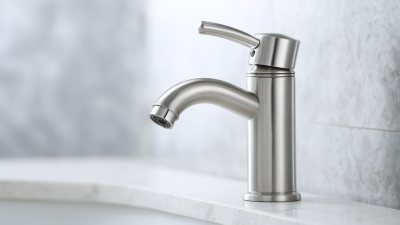
When selecting a kitchen faucet, understanding the various types is essential.Various styles exist to cater to different needs and tastes. There are traditional Sink Faucets, which often feature a single or dual handle design. These are common and straightforward, making them easy to repair. Moreover, they often fit well in classic kitchen designs.
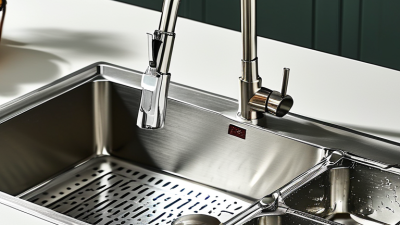
Pull-down faucets offer versatility. The sprayer can be pulled down for easy cleaning. This functionality greatly enhances the user experience. However, one should consider the height of your sink. A too-tall faucet may cause splashing, while a low-spout design might limit usability.
Touchless faucets add a modern touch and increase convenience. They activate with a wave, reducing mess. Yet, some users find them temperamental. Battery life becomes a concern over time. Overall, exploring various kitchen faucet types can reveal options that suit your lifestyle, be it functional or visually appealing.
Key Features to Consider in Kitchen Faucets: A Buyer’s Checklist
When choosing a kitchen faucet, several key features are essential. One primary consideration is the faucet’s water flow rate. According to the U.S. Environmental Protection Agency, kitchen faucets should have a flow rate of 1.5 gallons per minute (GPM) to reduce water waste while maintaining performance. This balance is crucial for modern households aiming for sustainability.
Another important feature is the faucet's construction material. Faucets made from solid brass typically offer better durability compared to plastic alternatives. A report by the American Society of Plumbing Engineers highlights that materials significantly impact the longevity and reliability of kitchen faucets. It’s vital to examine the quality of the finish as well, since it influences resistance to scratches and tarnishing.
Check the handle type and ease of use, especially for families with children or elderly members. Single-handle faucets may offer convenience, but dual-handle models provide precise temperature control. Reflect on the design compatibility with your kitchen style. Many homeowners overlook this detail, leading to mismatched aesthetics. Consider these aspects carefully during your buying process to ensure you choose a faucet that meets both function and style needs.
The Importance of Flow Rate: How It Affects Faucet Performance
When selecting a kitchen faucet, the flow rate is often overlooked. It directly impacts how effectively the faucet performs daily tasks. Different flow rates deliver varying water volumes. A higher flow rate means faster filling of pots and better rinsing capabilities. However, excessive flow can waste water. Careful balancing is essential for efficiency.
Homeowners should consider their specific needs. If you frequently fill large containers, a high flow rate may benefit you. Conversely, for everyday tasks, standard flow rates work well. Adjusting to your habits can enhance usability. It's vital to understand both sides of the flow rate equation.
Additionally, local regulations may guide flow rate choices. Some regions enforce limits to promote water conservation. Always check compliance with these standards. This ensures you choose a reliable kitchen faucet. Weighing the pros and cons helps in making an informed decision. A thoughtful approach can enhance kitchen functionality while being environmentally conscious.
Material Matters: Comparing Stainless Steel, Brass, and Plastic Faucets
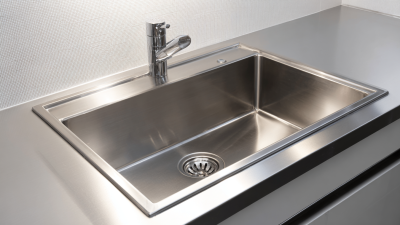
When selecting a kitchen faucet, the material is a critical factor. Stainless steel is a popular choice for its durability. It resists rust and corrosion, making it an ideal fit for busy kitchens. However, it can get hot to the touch if exposed to direct heat. This may require careful handling during cooking times. Its polished finish often enhances modern kitchen aesthetics.
Brass faucets have a rich, warm tone. They are sturdy and have a classic appeal. Yet, they can tarnish over time, leading to maintenance challenges. Cleaning brass requires specific products to avoid damaging its finish. Some buyers appreciate this vintage charm, while others may find upkeep strenuous.
Plastic faucets, on the other hand, offer a lightweight and cost-effective solution. They come in various styles and colors. However, their longevity is often questioned. Plastic can crack and fade with prolonged use. Choosing plastic means balancing affordability with potential durability concerns. Each material has unique pros and cons. Buyers must weigh their priorities when making a choice.
Evaluating Faucet Styles: From Traditional to Modern Designs
When choosing a kitchen faucet, style plays a vital role. Traditional designs often feature intricate details. These faucets may include classic curves and polished finishes. A traditional faucet can give your kitchen a warm, inviting feel. However, they might require more maintenance due to their ornate features.
On the other hand, modern designs emphasize minimalism and simplicity. Sleek lines characterize contemporary faucets, offering a clean aesthetic. Many modern faucets have advanced functionalities, like touchless technology. Yet, these features can sometimes face reliability issues in the long run. Buyers should consider both style and practicality when selecting a faucet.
The blending of styles can also create unique kitchen designs. Combining a modern faucet with vintage cabinets can yield unexpected results. While this mix may not suit everyone's taste, it reflects individual creativity. Exploring different faucet styles allows homeowners to express their personal preferences and elevate their kitchen's overall look.
2026 Best Kitchen Faucet Styles Comparison
Installing and Maintaining Your Kitchen Faucet for Longevity
Installing a Kitchen Faucet can seem daunting. However, with proper guidance, you can achieve a seamless installation. Begin by ensuring you have all necessary tools and parts. Gather wrenches, screws, and plumber's tape. Check that the water supply lines are accessible. An organized workspace is crucial.
Maintenance is equally important for the longevity of your kitchen faucet. Regularly clean it using mild soap and soft cloths. Avoid abrasive materials that may scratch the finish. Inspect connections and hoses for leaks. Any sign of water pooling indicates a potential issue. Addressing such signs promptly can prevent costly repairs.
Remember, even new faucets can have flaws. Some may develop rust or wear due to improper installation. It's wise to reflect on these aspects during maintenance checks. Understanding the construction of your kitchen faucet can help identify potential issues early. Regular care and attention will keep your faucet functional and stylish.
Top Brands in the Kitchen Faucet Market: A Statistical Analysis
In the kitchen faucet market, key brands dominate the landscape. A recent statistical analysis indicated that approximately 30% of consumers prefer a Faucet For Sink Kitchen needs from leading manufacturers. This preference showcases brand loyalty and trust, reflecting a desire for quality and durability.
Consumer reports emphasize that functionality and ease of installation significantly impact purchasing decisions. Nearly 40% of buyers prioritize these factors over aesthetics. Many buyers overlook the long-term maintenance costs associated with certain faucets. This insight underscores the importance of assessing value beyond initial pricing and appearances.
The growing trend for smart technology in kitchen faucets is also noteworthy. Surveys reveal that around 25% of consumers are willing to pay extra for advanced features, such as touchless activation. However, the user experience with these high-tech features is still being validated. Overall, the kitchen faucet landscape remains dynamic, as preferences evolve alongside technology and consumer insights.
Enhancing Kitchen Efficiency: Insights from Industry Reports on SUS304 Stainless Steel Spring Pull-Out Telescopic Faucets
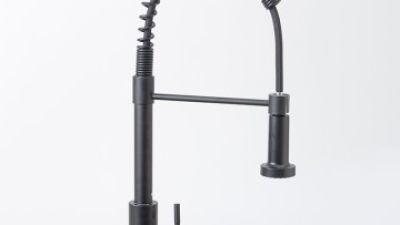
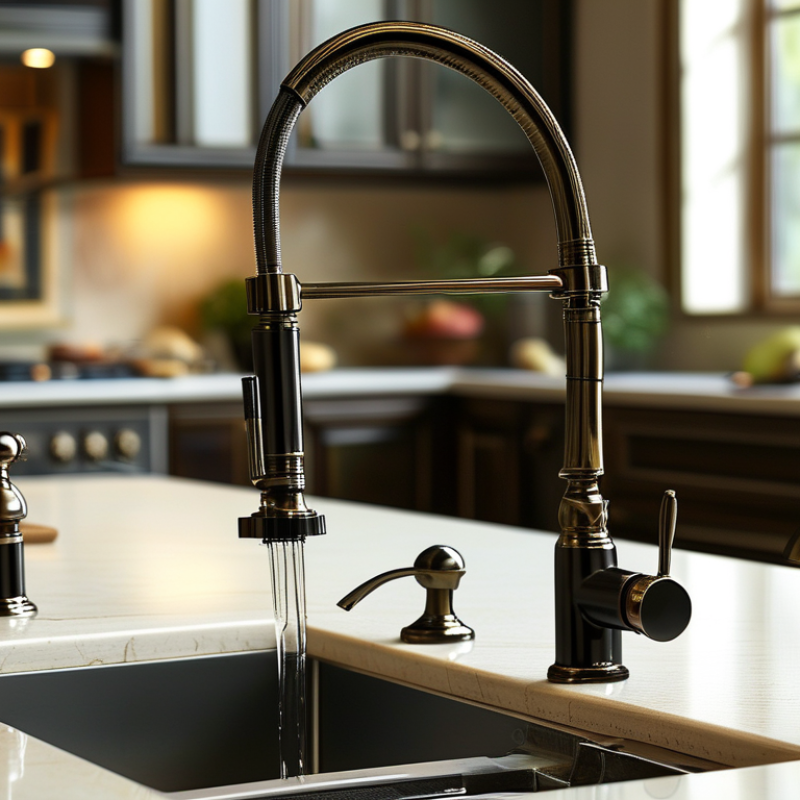
The kitchen is often considered the heart of the home, and enhancing its efficiency can significantly improve daily routines. One of the latest trends in kitchen fixtures is the use of SUS304 stainless steel spring pull-out telescopic faucets. Industry reports indicate that this material, known for its durability and resistance to corrosion, is becoming increasingly popular among homeowners and designers alike. With a sleek black surface finish, these faucets not only offer aesthetic appeal but also promise longevity, making them a worthwhile investment in any kitchen.
The functional design of these faucets showcases a dual mode effluent feature, allowing users to switch between different flow options for varied tasks, such as rinsing dishes or filling pots. The retractable design further adds convenience, making it easy to maneuver in tight spaces without creating clutter. According to industry insights, the ceramic spool incorporated into these faucets enhances their performance and reliability, ensuring a smooth operation over time. Moreover, the soft foaming device reduces water splatter, leading to a more pleasant experience during kitchen tasks.
Installation of these fixtures is typically hassle-free, a vital consideration for both homeowners and professionals. Industry data suggests that easy-to-install products are highly preferred in the current market, as they minimize downtime and labor costs. The combination of durability, functionality, and user-friendly design makes SUS304 stainless steel spring pull-out telescopic faucets an excellent choice for those looking to enhance their kitchen efficiency while enjoying modern designs and robust performance.
FAQS
: Common types include traditional sink faucets, pull-down faucets, and touchless faucets. Each has unique features and styles.
A pull-down faucet allows you to pull the sprayer down for ease of cleaning. It's versatile but can cause splashing if too tall.
Touchless faucets are convenient but may be temperamental. Battery life can be a concern, making them require regular attention.
Kitchen faucets typically come in stainless steel, brass, and plastic. Each material has its pros and cons, affecting durability and appearance.
Stainless steel faucets are durable and resistant to rust. However, they can get hot during cooking, requiring careful handling.
Brass faucets offer classic appeal but can tarnish. Plastic faucets are lightweight and affordable but may not last as long.
Consider functionality, ease of installation, and long-term maintenance costs, not just the initial price or appearance.
Smart faucets, like touchless options, offer advanced features. However, user experiences with these technologies are still being explored.
Preferences are evolving towards smart technology, with consumers valuing durability and functionality alongside style.
Yes, maintenance varies by material. Brass needs specific products, while plastic may have durability concerns over time.
Conclusion
The "2026 Best Kitchen Faucet Buying Guide for Global Buyers" offers a comprehensive overview of essential factors to consider when selecting a kitchen faucet. It begins by categorizing the various types of kitchen faucets available, allowing buyers to understand their options. Key features, including flow rate, material composition, and style, are highlighted in a buyer's checklist to aid decision-making. The guide emphasizes the importance of flow rate in determining faucet performance and compares materials like stainless steel, brass, and plastic to help consumers make informed choices.
Furthermore, it discusses the different styles available, ranging from traditional to modern designs, enabling buyers to select a faucet that complements their kitchen aesthetic. Practical advice on installation and maintenance is provided to enhance the longevity of the kitchen faucet. Finally, the guide presents a statistical analysis of top brands in the market, equipping buyers with valuable insights to navigate their purchasing journey effectively.