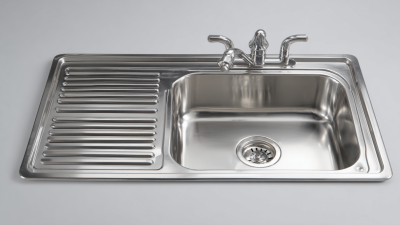
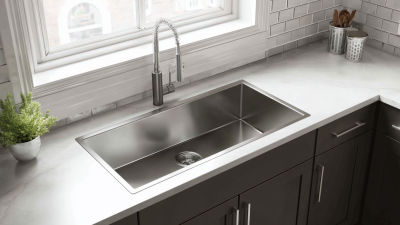
Looking for something practical yet stylish? The Kitchen, Bathroom, or Office Area StainleSs Steel Sink has really become a go-to choice for modern spaces. I recently came across some market insights from IBISWorld, and it turns out the stainless steel sink market is growing steadily — mostly because people want durability combined with good looks, whether at home or at work. It's no surprise that over half of homeowners—more than 55%—prefer stainless steel since it's resistant to rust and stains, making it super appealing.
Whether you're dealing with a busy office sink or redoing your bathroom, these stainless steel models are not just functional but also fit pretty much any decorating style. That said, I think a lot of folks don’t realize just how important choosing the right size and style really is. If you pick something that’s too small or the wrong shape, it can really mess things up and make daily tasks harder. Actually, the latest survey from the National Kitchen and Bath Association says almost 28% of kitchen remodel issues come down to selecting the wrong sink. Plus, settling for a cheaper or lower-quality model can make your everyday use a pain — but that's often overlooked when folks are just focusing on looks.
At the end of the day, finding the right stainless steel sink is all about balancing style with practicality. Experts suggest doing a little homework first—think about the size, depth, and finish that work best for your space. Sure, a sleek, modern look is tempting, but making a practical choice will make sure you’re happy with it for years to come.
Types of Stainless Steel Sinks for Kitchen, Bathroom, and Office Use
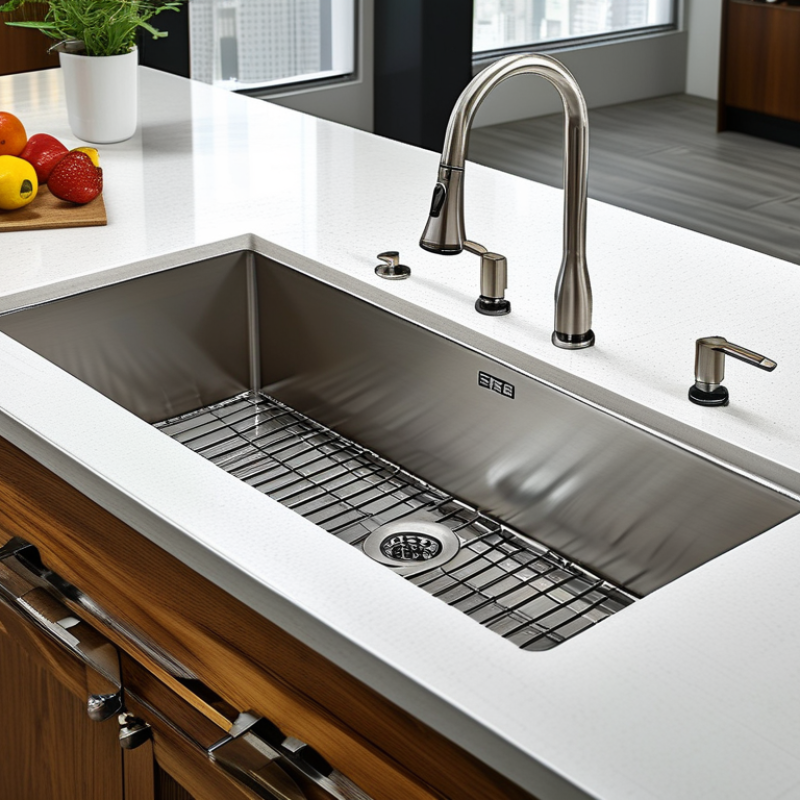
When considering a stainless steel sink for various environments, it’s important to choose the right type. In kitchens, a large single basin is ideal for washing pots and pans. In contrast, bathroom sinks often require smaller, more stylish designs. Office areas may prioritize functionality and ease of cleaning over aesthetics.
Tips: Always think about the sink's depth. A deeper sink can prevent splashes and keep your workspace organized. It’s also wise to consider accessories, like sink grids or cutting boards, which can enhance usability.
A Bathroom Bathroom Sink should blend well with the overall decor. Skimping on quality might save money now, but it can lead to issues later. Look for a model that guarantees durability yet complements your design aesthetic. Choosing the right finish can reduce the appearance of water spots and scratches, maintaining its look longer.
Top Stainless Steel Sink Options for Kitchen, Bathroom, and Office Areas
| Type of Sink | Dimensions (inches) | Depth (inches) | Installation Type | Best Uses |
|
Single Bowl Sink | 28 x 18 | 9 | Undermount | Kitchen, Home |
| Double Bowl Sink | 33 x 22 | 10 | Topmount | Kitchen, Rinse Station |
| Corner Sink | 36 x 36 | 8 | Corner Mounted | Kitchen, Space Saving |
| Prep Sink | 15 x 15 | 6 | Undermount | Kitchen, Food Prep |
| Bathroom Sink | 20 x 17 | 5 | Vessel | Bathroom, Vanity |
| Office Sink | 24 x 18 | 8 | Topmount | Office, Refreshment |
Key Features to Consider When Choosing a Stainless Steel Sink
When selecting a stainless steel sink, there are several key features to consider. First, the gauge of the steel matters. Thinner gauges may dent easily while thicker ones provide durability. A 16-gauge steel is generally preferred for its balance of sturdiness and weight. Check the finish too. A brushed finish hides scratches well, while polished surfaces may show wear more easily over time.
The sink's design is also important. Single basin sinks are great for larger pots, while double basins offer versatility. Look at the depth. A deeper sink can help avoid splashes, especially in bustling kitchen environments. Additionally, noise reduction features can be beneficial. Some sinks include padding to minimize sound from water and dishes.
Consider installation types as well. Drop-in sinks are easier to install, but undermount sinks provide a sleek look with seamless countertops. Reflecting on your space, think about how the sink's style ties into the overall design. It's essential to weigh all these factors before making a decision that suits your needs.
Popular Stainless Steel Sink Brands and Their Unique Offerings
When it comes to stainless steel sinks, several popular brands stand out due to their unique offerings. The quality of construction is often emphasized. According to industry reports, a significant 73% of homeowners prefer sinks made from thicker gauge steel. This choice reflects durability and resistance to dents and scratches. Higher-grade stainless steel not only ensures longevity but also impacts sound dampening capabilities.
Some brands offer innovative designs that cater to specific functional needs. For example, deep basin models cater to those who regularly wash large pots and pans. These sinks enhance workflow, allowing for efficient meal preparation and cleanup. However, it's essential to consider installation requirements, as deeper sinks may necessitate adjustments to cabinetry. This can lead to unexpected renovation costs.
Another trend involves tailored finishes and textures. Brushed finishes are in demand, providing a contemporary look while hiding fingerprints. However, they can be less forgiving of scratches over time. Aesthetics should align with personal taste, yet practicality remains key. Many consumers find themselves reflecting on their choices, weighing aesthetics against maintenance.
Installation Options for Stainless Steel Sinks: A Step-by-Step Guide
When considering installation options for stainless steel sinks, it is crucial to understand the various methods available. The most common types include drop-in and undermount installations. With a drop-in sink, the sink simply drops into the counter opening. This method is easy but can create gaps that trap debris. Undermount sinks offer a cleaner look and make for easier cleaning, as they allow the countertop surface to flow directly into the sink.
The process of installation can vary in complexity. For a drop-in sink, just a simple cut into the countertop and securing the sink with clips is often enough. Conversely, an undermount installation usually requires professional support due to the need for proper sealing around the edges. According to industry reports, approximately 30% of homeowners prefer undermount sinks for their modern aesthetic. However, proper installation is vital, as improper sealing can lead to leaks and long-term damage to cabinetry.
For spaces like the office or the bathroom, a Bathroom Stainless Steel Sink can withstand heavy usage while resisting stains and odors. Stainless steel sinks are renowned for their durability, boasting a lifespan of over 30 years. Nonetheless, maintenance is essential to maintain their shine and prevent scratching. Regular cleaning, using non-abrasive solutions, is a must. Even with the right care, the installation might reveal imperfections, underscoring the need for thorough planning before any project begins.
Maintenance Tips for Keeping Your Stainless Steel Sink in Top Condition
Stainless steel sinks are popular for their durability. To keep your sink looking new, regular maintenance is essential. Reports show that nearly 70% of homeowners face issues with sink stains and scratches over time. A little care can go a long way.
To maintain your Stainless Steel Undermount Bathroom Sink, use a soft sponge and mild detergent. Avoid abrasive cleaners that can scratch the surface. Even tiny scratches can become dirt traps. A clean sink not only looks better but also enhances hygiene levels. Regularly rinse and dry your sink to prevent water spots and mineral deposits.
Occasionally, applying a protective coating can help. This method reduces the risk of tarnishing. However, many overlook this step. Most don’t realize regular maintenance can prolong the life of their sinks. Poor care practices often lead to unnecessary costs and replacements, impacting budgets. Taking time to care for your sink is a wise investment in your home.
Comparison of Different Sink Sizes and Styles for Various Spaces
When choosing sinks for kitchen, bathroom, or office spaces, size and style are crucial. A large farmhouse sink can enhance a spacious kitchen, offering practicality and aesthetic charm. However, it may feel overwhelming in a compact area. In contrast, a smaller sink with sleek lines suits minimalistic bathrooms. The balance between form and function matters greatly here.
For office areas, consider utility over style. A compact stainless steel sink can provide essential washing capabilities without consuming too much space. Styles with integrated drainage can be functional, yet they sometimes lack visual appeal. It's crucial to assess your area's design before finalizing choices.
Different sink depths also impact usability. A deeper sink can handle larger tasks, but it can be challenging for shorter individuals. Shallow sinks, while easy to access, may limit water volume. Every selection should reflect the specific space, usage, and user needs, demanding thoughtful consideration.
Comparison of Stainless Steel Sink Options for Various Spaces
Cost Analysis: Budgeting for a Stainless Steel Sink in Your Project
When budgeting for a stainless steel sink, it’s vital to understand all associated costs. Prices can vary widely. On average, a quality stainless steel sink ranges from $100 to $600. This cost is influenced by factors like size, depth, and additional features. A more extensive sink often means higher prices, but it pays off in functionality.
Consider installation expenses too. Professional installation can add another $200 to $500. Even DIY options can incur costs if you need extra materials. A Stainless Steel Bathroom sink might require specific fittings, which can drive up your budget. Always allocate an extra 10-20% for unexpected expenses during installation. Purchasing a sink that fits your existing plumbing can help you avoid costly modifications.
Reflect on your choices. While stainless steel sinks are durable and stylish, they can scratch. If you have a busy household, this might be a concern. Think about the finish. Some finishes are more resistant to marks yet may cost more. Ultimately, assess your needs and budget carefully to find the right fit for your space.
FAQS
: Size and style are crucial. Assess your space carefully. Balance functionality with aesthetics.
A larger sink enhances practicality but may overwhelm small areas. Smaller sinks suit minimalistic designs.
Prices range from $100 to $600, influenced by size and features. Larger sinks typically cost more.
Yes, installation can add $200 to $500. DIY options may also incur extra material costs.
Yes, always allocate an extra 10-20%. It helps cover unforeseen costs during installation.
Deeper sinks handle bigger tasks. However, they can be hard for shorter individuals to use.
Yes, scratches can occur, especially in busy households. Reflect on your needs before choosing.
Yes. Some finishes resist marks more effectively, but they may come at a higher price.
Conclusion
When selecting a Kitchen Bathroom Office Area Stainless Steel Sink, it’s essential to consider the various types available, from single to double basins, each serving different functional needs. Understanding key features such as gauge thickness, finish, and soundproofing can significantly enhance your overall experience. Furthermore, the installation process can be straightforward with a step-by-step guide, ensuring a successful setup regardless of your skill level.
Maintenance is crucial for longevity, with regular cleaning and periodic treatments recommended to keep your sink looking pristine. Additionally, comparing different sizes and styles can help tailor your choice to fit specific space requirements. Lastly, budgeting effectively will aid in selecting a high-quality sink that complements your project's financial plan, ensuring you make a well-informed investment in your kitchen, bathroom, or office area.